
Metal fabrication and subcontracting
Brackets, enclosures, panels, gaskets, flanges, mixed short-run jobs
The broadest use case. Order mix changes weekly, so working area and fast changeover usually matter more than maximum power.
The page is responding. Data and interface blocks are being prepared.
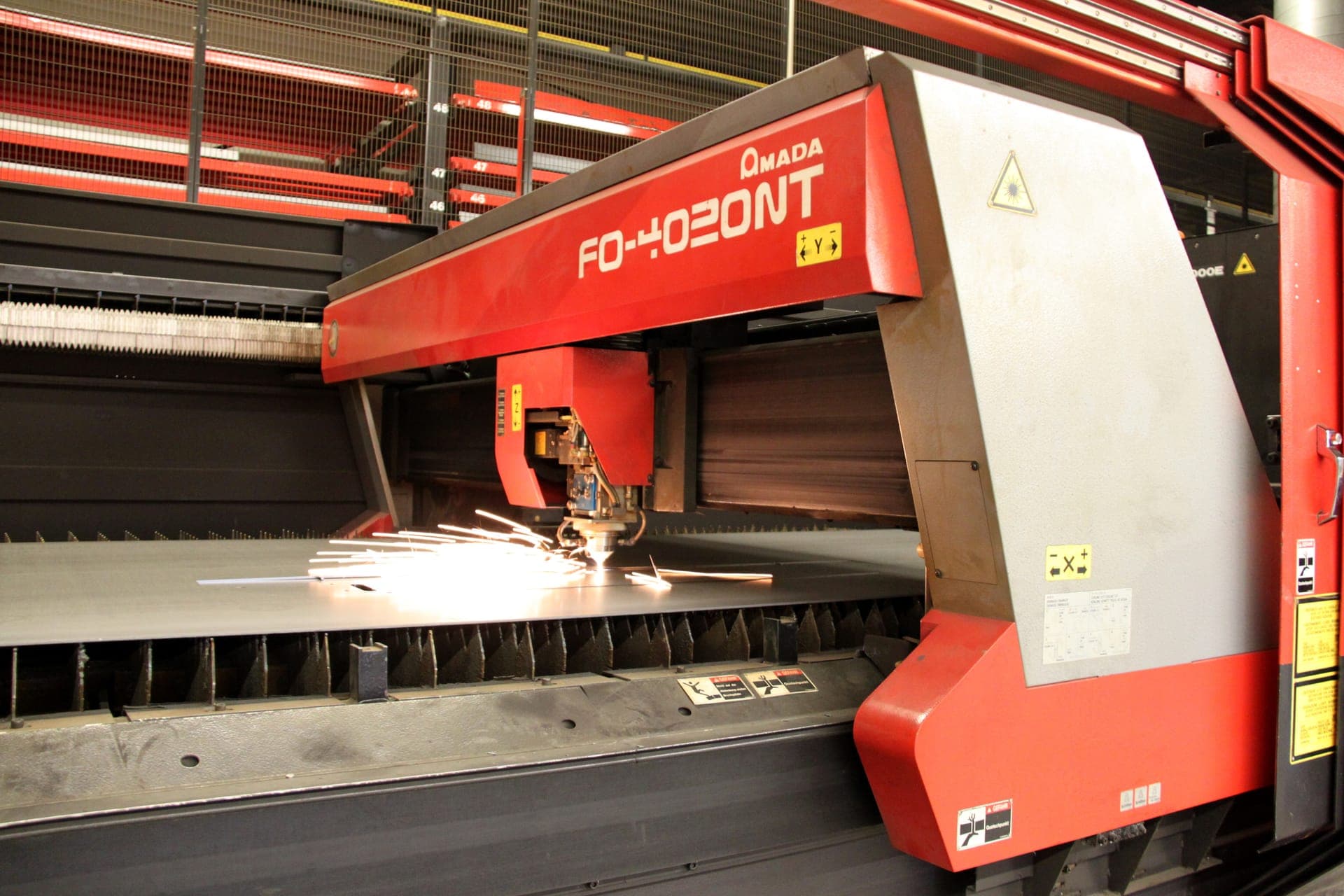
Where laser processing earns its place in real production: the parts it makes, the materials it handles, and the limits worth knowing before you specify a machine.
By industry
Brackets, enclosures, panels, gaskets, flanges, mixed short-run jobs
The broadest use case. Order mix changes weekly, so working area and fast changeover usually matter more than maximum power.
Frames, guards, base plates, covers, mounting brackets
Repeat parts with tight fit-up. Repeatability and edge quality decide how much assembly work follows.
Tube frames, railings, trusses, structural sections with pre-cut joints
Tube cutting with pre-cut joints removes most of the fitting work before welding. Stock length is the parameter to check first.
Chassis components, exhaust parts, trim, prototype bodywork
Traceability marking is frequently mandatory, so a marking system often accompanies the cutter.
Interior panels, floor plates, brackets, maintenance and repair parts
Thicker plate and larger formats. This is where higher source power genuinely pays back.
Letters, decorative panels, perforated screens, acrylic and wood elements
The one area where CO2 is still the right answer for non-metals, often alongside a fiber machine for metal.
By material
| Material | Typical gas | What to know |
|---|---|---|
| Mild steel | Oxygen | The easiest material and the thickest cuts. The oxidised edge needs preparation before painting or welding. |
| Stainless steel | Nitrogen | Clean, oxide-free edge ready for welding. Gas consumption is the main cost driver here. |
| Aluminium | Nitrogen | Reflective and heat-conductive. Needs a suitable head; thin sheet can burr more than steel. |
| Copper and brass | Nitrogen | Highly reflective. Cuttable with modern fiber sources, but confirm the machine is rated for it before ordering. |
| Galvanized steel | Oxygen / nitrogen | The zinc layer produces fume that extraction must handle. Coating damage near the kerf is normal. |
| Titanium | Nitrogen / argon | Cuts well but reacts with oxygen when hot; shielding matters where the edge is structural. |
| Acrylic and wood | Air | Material for a CO2 source; fiber is unsuitable here. Acrylic gives a polished flame-cut edge that needs no finishing. |
| Coated and painted metal | Varies | Cuts fine, but the coating burns back from the kerf. Laser cleaning is often the pre-step for welding. |
By process
Contact us
Tell us the part you make and the material it is made from. We will tell you which process fits and what it realistically costs to run.
Contact us